
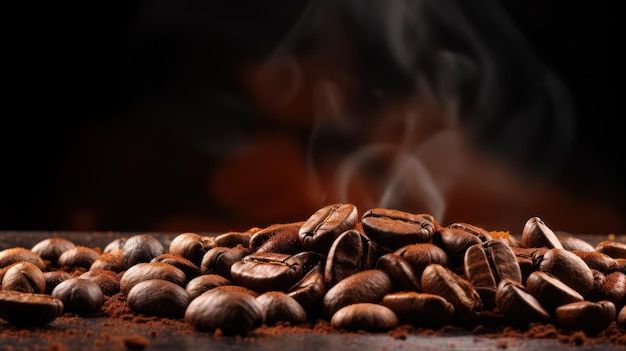
Let’s Explore All About Robusta Coffee Price (Coffea canephora); Everything About Robusta
The majority of people drink coffee on a daily basis, but very few truly know what makes Robusta coffee different from Arabica, particularly in terms of how factors like robusta coffee price affect purchasing decisions.
As a result, many people lose out on Robusta’s potent benefits, rich flavor, and higher caffeine content. Without understanding that robusta coffee’s high yield, strength, and significant role in espresso, instant coffee, and global coffee culture, some people even assume it’s just “cheap coffee.”
This guide explains everything so you can choose your coffee wisely and enjoy it even more, from flavor, health benefits, and growing regions to how Robusta differs from Arabica.
What Is Robusta Coffee?
Whenever the majority of coffee drinkers consider coffee beans, they consider Arabica. However, approximately 40/45 percent of the coffee produced in the world is produced by another species, which is the Robusta coffee (Coffea canephora). This significant share also explains the global demand and competitive robusta coffee price in commercial markets.
Robusta has also been dubbed Coffea robusta, and is a resilient, strong-looking plant of coffee, which originally originated in central and western sub-Saharan Africa. Its boldness, increased caffeine, and ability to develop strong body make it a favorite in blends, espresso, and instant coffee—and a progressively intriguing alternative stand-alone coffee for consumers worldwide, especially those seeking value alongside strength, often influenced by robusta coffee price and availability.
We will divide all information you need to know about Robusta in this guide: what it will taste, how it grows, its advantages, and how it is compared to the most popular bean in the coffee world, Arabica, including insights into Robusta vs Arabica coffee and market trends linked to robusta coffee price.
What Does “Robust” Mean?
The word robust means strong, full-bodied, and powerful in taste.
When people say robust tea or robust coffee, they’re talking about a drink with deep flavor and a bold punch.
What Is Arabica Coffee?
Arabica coffee comes from the Coffea Arabica plant.
- Smooth and mild taste
- Lower bitterness
- Less caffeine
- Grown in high-altitude regions
Arabica is often considered premium due to its rich aroma and sweet flavor hints.
Origins and Cultivation
In West and Central Africa, robusta coffee also grows naturally and was recognized as a species in the late 19 th century.
Robusta unlike Arabica is found to survive in lower altitude and warmer climates. It has the ability to endure heat, humidity, pests, and disease thus being able to grow is easier and more economical, a key factor as to why Robusta takes up a huge portion of the coffee production across the globe.
Today, the largest producers of Robusta are:
- Vietnam — the world’s top Robusta exporter;
- Brazil — a major producer of both Arabica and Robusta;
- Indonesia, India, and Uganda — significant growers with rich coffee traditions. Wikipedia
Modern farming techniques, including hybrid varieties and improved processing, continue to improve both yield and flavor quality. Delicious Path
Robusta Coffee Price: Quick Overview for Buyers
The robusta coffee price is generally lower than Arabica coffee because Robusta plants are easier to grow, more resistant to pests, and produce higher yields. On average, the robusta coffee price remains more affordable due to lower farming and production costs, making it a preferred choice for instant coffee, espresso blends, and commercial coffee brands.
Several factors affect the robusta coffee price, including climate conditions, global demand, export volumes, and processing quality. Major producers like Vietnam play a key role in setting market trends, as large-scale production helps stabilize supply. When demand for instant coffee rises or climate issues affect crops, prices may increase temporarily.
Higher-quality or specialty-grade Robusta beans are priced higher than standard commercial Robusta. Washed processing, better harvesting practices, and limited-origin production can all raise the robusta coffee price, especially in specialty markets.
Overall, the robusta coffee price offers excellent value for buyers seeking strong flavor, high caffeine content, and cost efficiency. This balance of affordability and performance keeps Robusta essential in the global coffee market.
Price Comparison Between Arabica and Robusta Coffee
When considering coffee purchases, understanding the price difference between Arabica and Robusta coffee is essential. Arabica coffee is generally more expensive due to its delicate cultivation requirements, higher demand in specialty markets, and complex flavor profile. In contrast, Robusta coffee is hardier, yields more per hectare, and has higher caffeine content, which makes it cheaper and widely used in instant coffee and espresso blends. Monitoring the London robusta coffee price today and Arabica coffee price today helps buyers make informed choices based on market trends. Traders often use tools like the Barchart robusta coffee price today or Robusta coffee price chart to track historical data and current fluctuations. Similarly, Arabica coffee futures provide insights into future pricing trends, while US coffee prices today reflect global supply-demand dynamics.
| Feature | Robusta Coffee | Arabica Coffee |
|---|---|---|
| Price per kg | Lower, influenced by Robusta coffee price per kg | Higher, tracked via Arabica coffee futures |
| Market Benchmark | London robusta coffee price today | Arabica coffee price today |
| Price Trend Charts | Robusta coffee price chart, Barchart robusta coffee price today | Historical and futures tracking via Arabica futures platforms |
| Caffeine Content | Higher | Lower |
| Flavor Profile | Bold, earthy, bitter | Smooth, fruity, complex |
| Usage | Espresso, instant coffee, blends | Specialty coffee, single origin |
This comparison helps buyers, roasters, and investors understand pricing dynamics, plan purchases, and predict fluctuations in both Robusta coffee price and Arabica coffee markets.
Robusta vs Arabica: Key Differences
If you’re searching Robusta vs Arabica, here’s the bottom line:
| Feature | Robusta | Arabica |
| Caffeine | Higher (~2.2–2.7%) | Lower (1.2–1.5%) |
| Flavor | Bold, earthy, bitter | Smooth, fruity, complex |
| Acidity | Lower | Higher |
| Cultivation | Hardier, easier to grow | More delicate |
| Use | Espresso, instant, blends | Specialty coffee, single origin |
The bold and bitter flavor and the dense body of Robusta render it the best choice to make espresso blends, particularly when it is necessary to have a rich crema. Delicious Path Its high caffeine level also makes it more of a kick-starter – it is attractive to people who desire to have a high-power coffee.
Arabica controls the niche market because of its complex taste; yet Robusta has its own functional markets that it succeeds in and possesses its own unique features.
Do You Know the Real Difference Between Arabica and Robusta Coffee?
There are many individuals consuming coffee on a daily basis, yet they are not aware of the meaning of the words Robusta, Arabica, or robust flavor. This confusion about the difference between Arabica and Robusta coffee often causes the selection of the wrong beans, poor taste, or excessively bitter brews, and even misunderstanding of factors like robusta coffee price when buying coffee. We will downsize all of it using rather basic language so that you could make a choice regarding the appropriate coffee.
People who are fond of coffee frequently hear about such notions as Robusta coffee, Arabica coffee, or robusta beans, but not all people are aware of what they really are. All types are different, as they have different taste, strength, and level of caffeine, which also influences the robusta coffee price compared to Arabica. Knowing the difference would help you select the right coffee to use in your day-to-day life. if you desire to have coffee Arabica, or Robusta then coffichino is a great option.
What Makes Arabica and Robusta Together
Many coffee brands use a mix of Arabica and Robusta coffee beans to create a balanced flavor.
A arabica robusta blend or arabica and robusta blend offers:
- Smoothness from Arabica
- Strength from Robusta
- Great aroma
- Strong crema (perfect for espresso)
When Should You Choose Which?
Choose Arabica if you want:
✔ smoother taste
✔ less bitterness
✔ gentle caffeine
Choose Robusta if you want:
✔ bold and strong flavor
✔ higher caffeine
✔ great espresso crema
Pick a arabica robusta blend if you want the best of both worlds.
What Robusta Coffee Tastes Like
One of the most searched phrases around coffee is Robusta coffee flavor. While flavor is subjective, there are some common descriptors:
Bold & full-bodied: Robusta has a stronger body than most Arabica coffees. Delicious Path
Earthy & nutty notes: Expect deep earthy tones with hints of wood, nuts, or dark chocolate. Delicious Path
Higher bitterness: Robusta’s elevated caffeine and chlorogenic acids contribute to bitterness. Biology Insights
Lower acidity: Many drinkers find this smooths the sharpness present in Arabica. Delicious Path
Instant coffee and espresso blends often use Robusta for its ability to produce a powerful, consistent brew even in concentrated forms. Wikipedia
In the specialty coffee world, producers are now exploring fine Robusta beans with more balanced, pleasant flavor profiles — showing that this bean’s potential is still being discovered. Acquired Coffee
Robusta Coffee Benefits
1. Higher Caffeine — Stronger Kick
Robusta beans contain about twice the caffeine of Arabica, making them ideal for anyone looking for an energetic boost. Biology Insights
Higher caffeine isn’t just about stimulation — it can also help increase alertness, fight fatigue, and improve focus. Biology Insights
2. Abundant Antioxidants
Antioxidants, especially chlorogenic acids (CGAs), are abundant in robusta coffee. These substances may promote general health and aid in the fight against oxidative stress. Biology Insights
3. More Sustainable & Resilient
Farmers frequently require less water and pesticides because robusta plants are resistant to disease and pests. Robusta is more affordable and easier to grow because of its resilience, particularly in difficult climates or at lower elevations. FNB
4. Economic Advantages
Robusta’s high yield and resilience provide smallholder farmers with financial advantages. In nations like Vietnam, Uganda, and India, lower production costs can result in more reasonably priced coffee for consumers and better livelihoods for growers.. Biology Insights
Robusta in the Global Coffee Market
Globally, Robusta’s share of coffee production remains substantial because of its adaptability and cost advantages. Collected from Wikipedia.
Though Arabica controls most of the specialty coffee shops, Robusta controls most commercial coffee industries most especially instant coffee, which is highly dependent on its high flavor and reliability in extraction. Source is Wikipedi.
Notably, the climate change has revived interest in Robusta. The pressure of temperatures and diseases in certain traditional Arabic areas has forced farmers to rediscover the benefits of robusta as an alternative in climate-tolerant areas. Info is Reuters
How to Enjoy Robusta Coffee
Whether you’re a home brewer or a café owner, Robusta can play many roles:
Espresso
Use Robusta to enhance crema and body. Many Italian blends include 10–30% Robusta for balance and texture. This information incorporated through Hello 5 Coffee Global.
Blends
Mixing Robusta with Arabica can make a well-balanced coffee that delivers both boldness and complexity.
Instant Coffee
Robusta’s strong extraction makes it perfect for instant coffee — retaining flavor even after processing. The data we accumulated Hello 5 Coffee Global
Innovative Uses
Specialty roasters and coffee shops increasingly experiment with single-origin Robusta and alternative brewing methods to showcase nuance. The source is Acquired Coffee
Final Thoughts
Robusta coffee deserves recognition for its strength, resiliency, and distinct flavor, even though it doesn’t always receive the same attention as Arabica. Robusta is essential to the world’s coffee scene, from regular instant brews to strong espresso blends and even new specialty profiles, and its growing demand continues to influence the robusta coffee price in global markets. Wikipedia is the source of the data.
Try Robusta to discover new flavor experiences, health advantages, and diverse brewing possibilities, regardless of your level of experience with coffee. Understanding robusta coffee price alongside quality can help you make better choices—because it’s more than just coffee; it’s a worthwhile adventure.
FAQs About Robusta and Arabica Coffee Prices
The London robusta coffee price today reflects global supply, demand, and futures trading on the London Coffee Exchange. Prices change daily based on weather conditions, exports, and market speculation.
The Robusta Coffee price per kg varies by origin, quality, and processing method. Commercial-grade Robusta is usually cheaper, while specialty or washed Robusta is priced higher.
You can track the Barchart robusta coffee price today through commodity market platforms that provide live futures data, historical trends, and technical analysis.
The Arabica coffee price today is typically higher than Robusta due to its delicate growing conditions and specialty demand. Prices fluctuate daily on global commodity exchanges.
US Coffee prices today depend on futures markets, import volumes, and global production trends, covering both Arabica and Robusta coffee types.
The London Coffee price mainly represents Robusta coffee futures and serves as a global benchmark for Robusta trading and contracts.
A Robusta coffee price chart shows historical and current price movements, helping traders and buyers understand trends, volatility, and market direction.
Arabica coffee futures are contracts traded on commodity exchanges that allow buyers and sellers to lock in prices for future delivery, helping manage price risk.



Add comment